

Communicating effectively across generations in the workplace can foster understanding, collaboration, and productivity. Here are some tips to help bridge generational gaps:
1. Be Open-Minded: Recognize and appreciate the diverse perspectives and experiences that each generation brings to the table. Stay open to learning from others regardless of their age.
2. Adapt Communication Styles: Different generations may prefer different communication methods. Millennials and Gen Z might favor digital communication like emails or instant messaging, while older generations may prefer face-to-face or phone conversations. Adapt your communication style to accommodate preferences.
3. Provide Context: When discussing ideas or decisions, provide background information or context to ensure everyone understands the rationale behind them. This can prevent misunderstandings and promote alignment.
4. Listen Actively: Practice active listening to understand the concerns, ideas, and perspectives of colleagues from different generations. Avoid making assumptions and give everyone a chance to express themselves.
5. Respect Differences: Respect generational differences in work habits, values, and communication styles. Avoid stereotyping or making judgments based on age.
6. Encourage Collaboration and Inclusion: Foster a collaborative environment where employees of all generations feel valued and empowered to contribute their unique skills and insights. Encourage cross-generational mentorship and knowledge sharing.
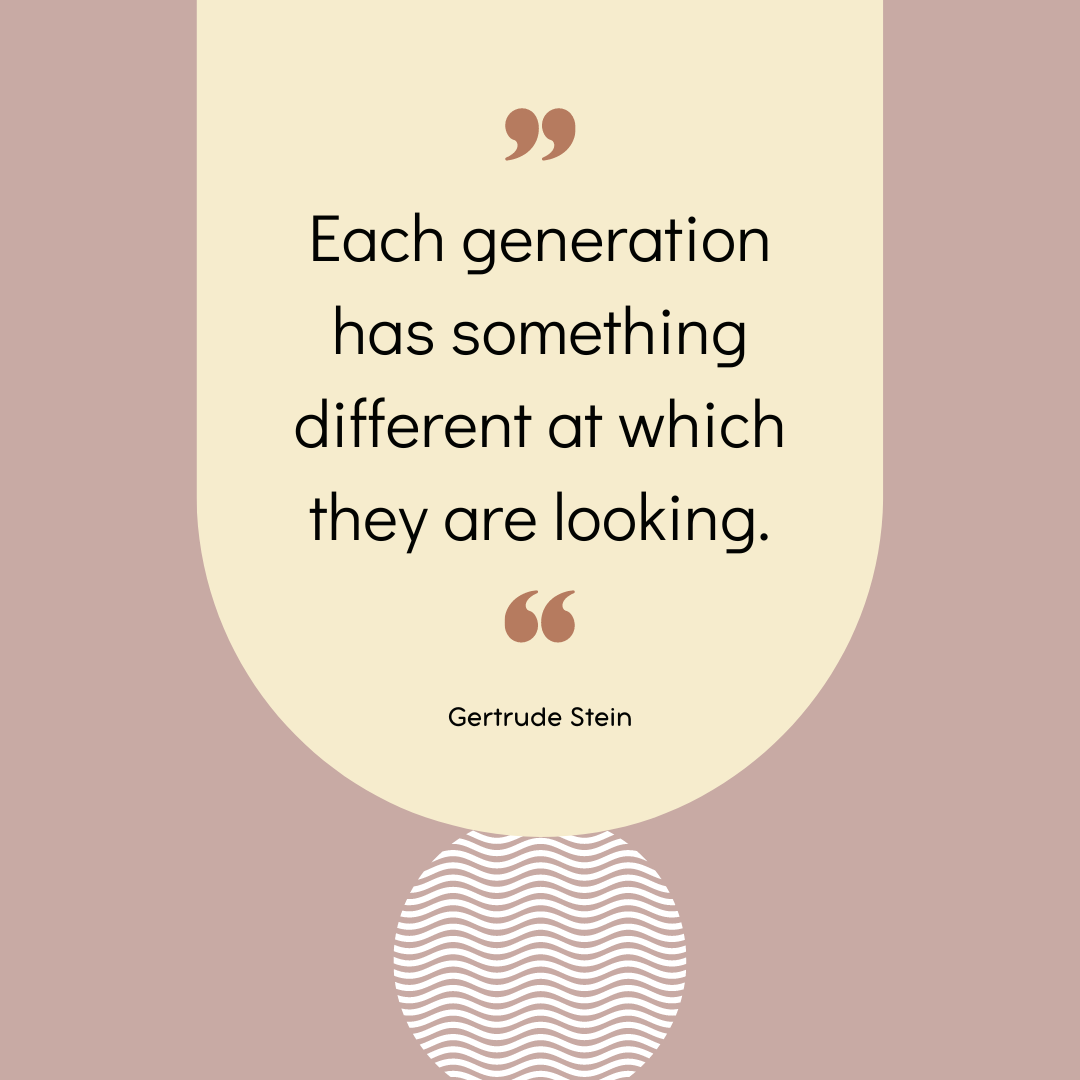
7. Embrace Technology: Younger generations often have a natural affinity for technology, while older generations may be less familiar. Offer training and support to help older colleagues leverage technology effectively, and recognize the expertise of younger colleagues in this area.
8. Clarify Expectations: Clearly communicate expectations regarding work responsibilities, deadlines, and goals. This helps ensure everyone is on the same page and working towards common objectives.
9. Celebrate Diversity: Celebrate the diversity of perspectives, experiences, and ideas that each generation brings. Recognize the strengths of multi-generational teams and the value they bring to the organization.
10. Lead by Example: Anyone can be a leader in this space. It’s not defined by title alone. Lead by demonstrating respect, empathy, and inclusivity in your interactions with colleagues of all generations. Your behavior sets the tone for others to follow.
By fostering understanding, respect, and open communication, you can create a more harmonious and productive workplace environment across generations.

